What Are The Symptoms Of Blood Clots?
99% of blood clots have no symptoms. Thrombotic diseases include arterial thrombosis and venous thrombosis. Arterial thrombosis is relatively more common, but
Read more
99% of blood clots have no symptoms. Thrombotic diseases include arterial thrombosis and venous thrombosis. Arterial thrombosis is relatively more common, but
Read moreD-dimer is derived from the cross-linked fibrin clot dissolved by plasmin. It mainly reflects the lytic function of fibrin. It is mainly used in the diagnosis
Read moreAPTT is the English abbreviation of partially activated prothrombin time. APTT is a screening test reflecting the endogenous coagulation pathway. Prolonged
Read morePoor blood coagulation function may lead to decreased resistance, continuous bleeding, and premature aging. Poor blood coagulation function mainly has the
Read moreBlood occupies a very important position in the human body, and it is very dangerous if poor coagulation occurs. Once the skin ruptures in any position, it
Read moreIn general, the hazards of coagulopathy include bleeding gums, joint bleeding, thrombosis, hemiplegia, aphasia, etc., which require symptomatic treatment. The
Read moreThe treatment of thrombosis is generally the use of anti-thrombotic drugs, which can activate blood and remove blood stasis. After treatment, patients with
Read more
Thrombosis can occur in arteries or veins. Early symptoms vary depending on the location of thrombosis. The following are the early symptoms of
Read more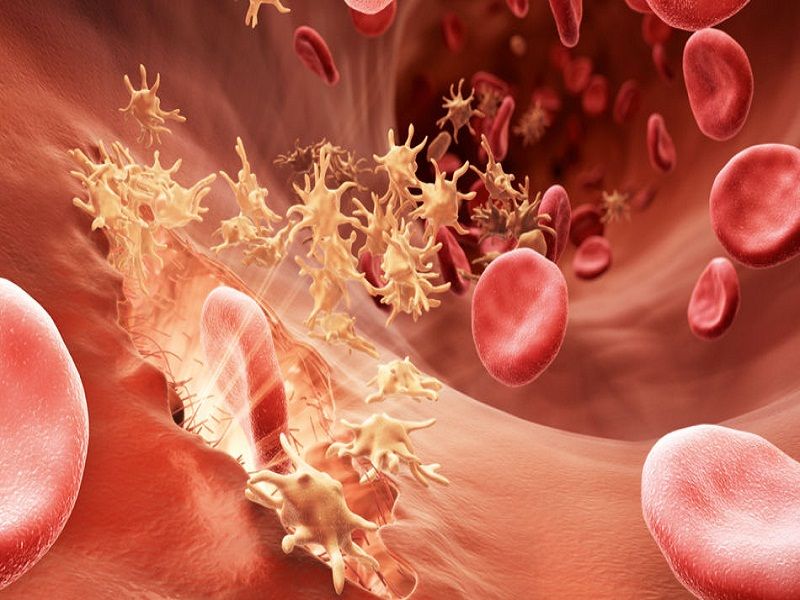
Thrombosis is a process in which the flowing blood coagulates and turns into a blood clot, such as cerebral artery thrombosis (causing cerebral infarction),
Read moreThe impact of hemodilution on the body may cause iron deficiency anemia, megaloblastic anemia, aplastic anemia, etc. The specific analysis is as follows: 1.
Read more