What if clotting time is high?
Prolonged coagulation time may increase the risk of bleeding, and it is necessary to deal with it from the aspects of finding out the cause, daily attention,
Read more
Prolonged coagulation time may increase the risk of bleeding, and it is necessary to deal with it from the aspects of finding out the cause, daily attention,
Read more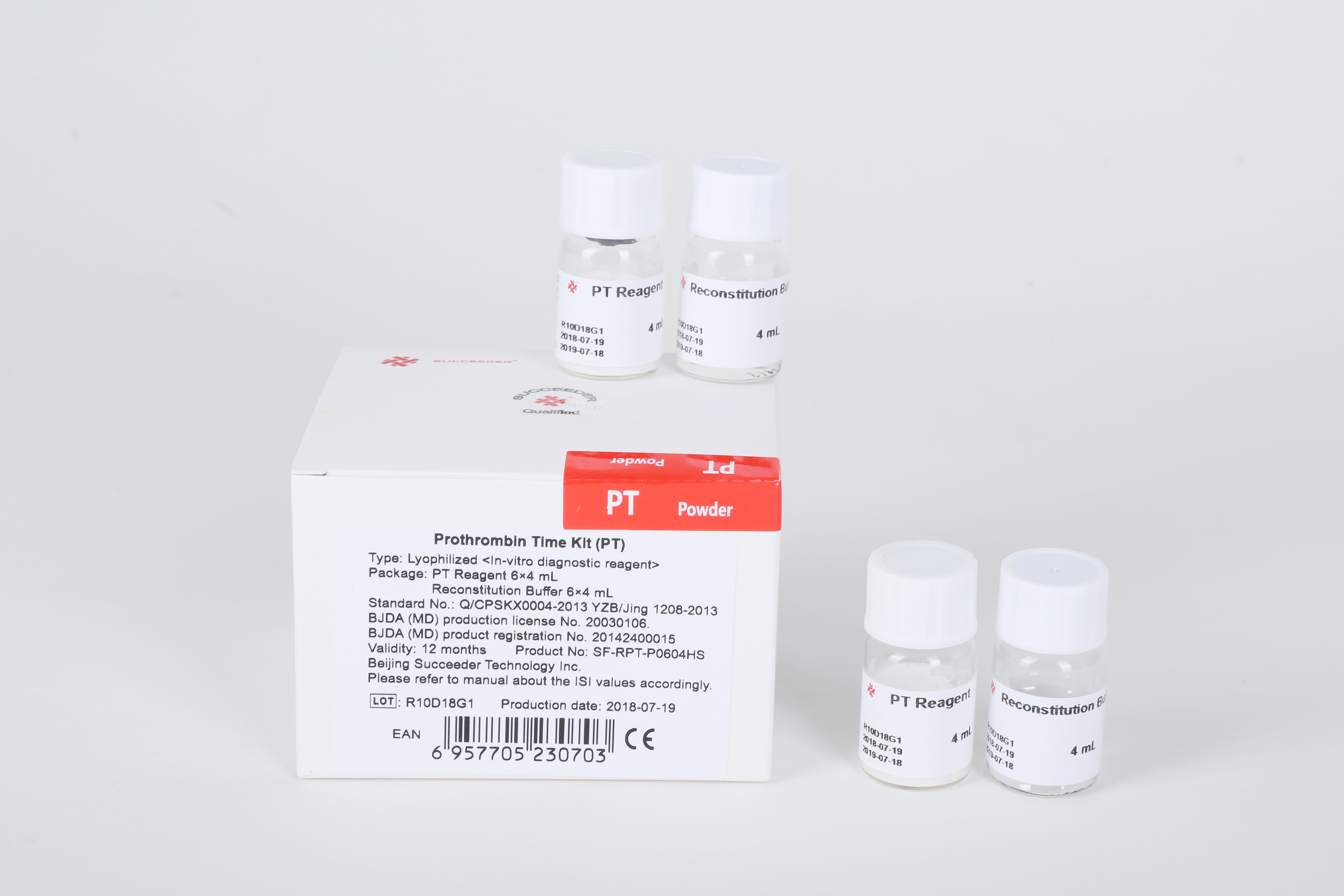
PT stands for prothrombin time, and a high PT means that the prothrombin time exceeds 3 seconds, which also indicates that your coagulation function is
Read moreThis refers to the whole process of plasma changing from a fluid state to a jelly state. The blood coagulation process can be roughly divided into three main
Read moreThrombosis and hemostasis are one of the important functions of blood. The formation and regulation of thrombosis and hemostasis constitute a complex and
Read more
In medical terms, "coagulation" is a complex physiological process, which refers to a series of reactions in which blood changes from liquid to solid
Read moreThrombosis is generally caused by damage to cardiovascular endothelial cells, abnormal blood flow status, and increased blood coagulation. 1. Cardiovascular
Read moreAPTT stands for activated partial thromboplastin time, which refers to the time required to add partial thromboplastin to the tested plasma and observe the
Read more
Learn More The reference range of platelet count for normal adults is (100 - 300) × 10⁹/L. Within this range, platelets can play normal physiological
Read moreFIB is the English abbreviation for fibrinogen, and fibrinogen is a coagulation factor. A high blood coagulation FIB value means that the blood is in a
Read moreAbnormal coagulation function refers to the disruption of the endogenous and exogenous coagulation pathways in the human body due to various reasons,
Read more